
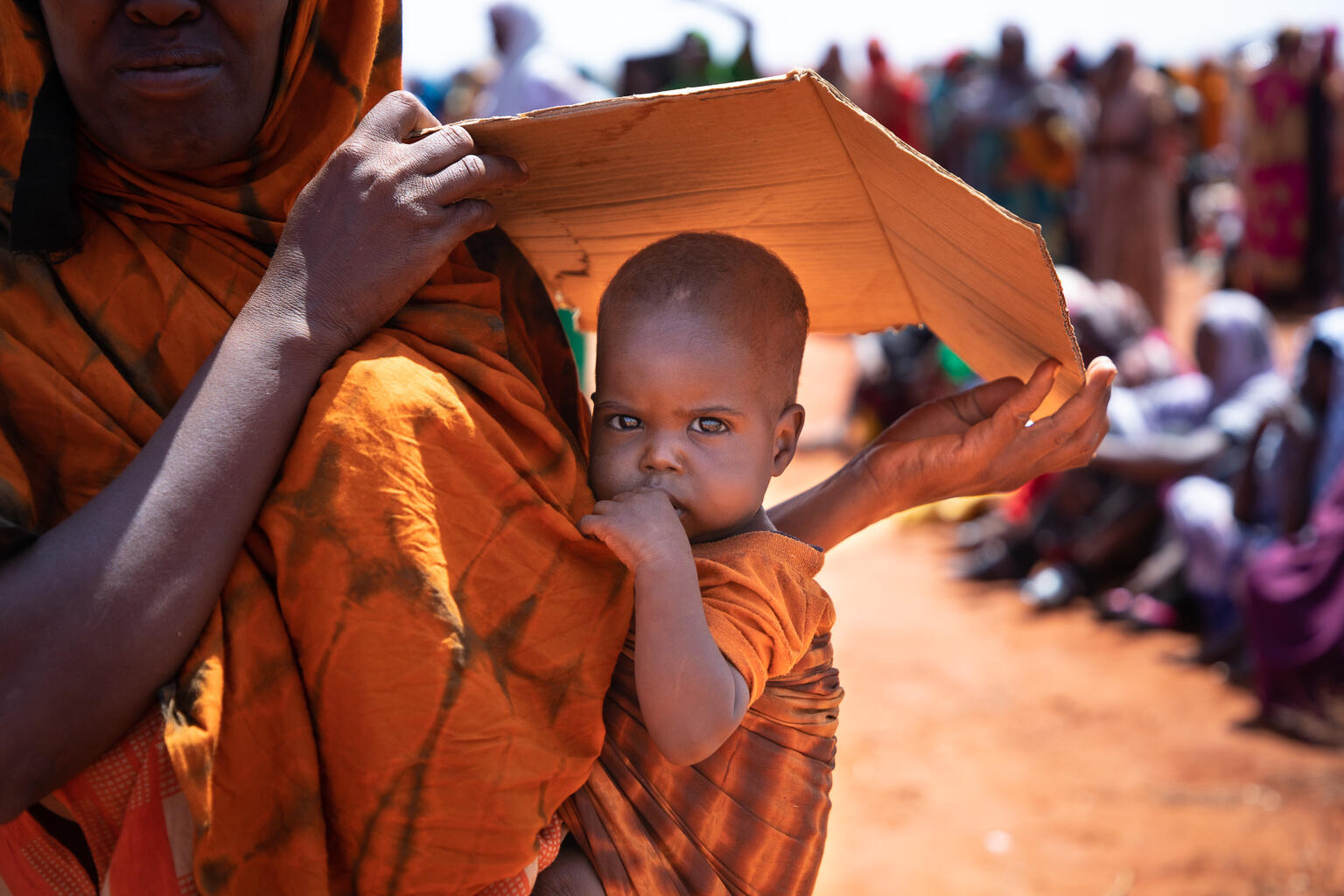
In recent times, Ghana has been experiencing intense heat, with temperatures rising to dangerous levels, even in coastal areas.
This suggests that conditions in the north are even harsher.
This is a serious health risk for babies and young children.
The scale of the problem is alarming globally.
According to the United Nations Children Fund (UNICEF), 766 million children (about one-third of all children worldwide) were exposed to extreme heatwaves in 2023–2024.
Even more concerning, 559 million children are already exposed to frequent heatwaves, and by 2050, nearly every child on earth will face extreme heat regularly.
Extreme heat is harmful. It affects children in multiple interconnected ways.
High temperatures often reduce children’s appetite and increase dehydration.
This interferes with nutrient intake (as they crave water, not food) and also interferes with the absorption of the little food taken, leading to malnutrition.
At the same time, heat promotes the growth of bacteria in food and water, increasing the risk of infections such as diarrhoea when food is not well stored.
Children are at risk of respiratory illnesses like Pneumonia, especially as dehydration weakens the immune system too.
These physical effects also extend to the brain: inadequate nutrition, poor hydration, and disrupted sleep caused by nighttime heat can impair cognitive development, reduce attention span, and affect learning.
Additionally, constant discomfort and poor sleep can elevate stress levels in children, contributing to emotional instability and increasing the risk of conditions like anxiety and depression.
Altogether, heat creates a harmful cycle: undermining nutrition, weakening immunity, disrupting brain development, and affecting mental well-being.
This makes babies and young children under five years particularly vulnerable because their bodies cannot regulate temperature effectively.
In some regions, hundreds of children die each year directly from heat-related causes.
The question is no longer whether heat is a problem but how we respond to it in Ghana and Africa.
Need
There is an urgent need for national heat protection guidelines focused on children.
Schools and early childhood centres should receive clear directives on limiting outdoor activities during peak heat hours. Infrastructure investment must prioritise shade, ventilation, and water access.
Urban planning should include tree planting and green spaces to reduce heat intensity in communities.
At home, children should be dressed in light, breathable clothing and encouraged to drink water regularly.
Caregivers must watch for signs of overheating, such as excessive sweating, fatigue or irritability.
Outdoor activities should be limited during the hottest parts of the day, and more hydration-rich foods should be included in children’s diets.
To protect children at night, rooms should be well-ventilated but not overly cold.
Fans can circulate air, but should not blow directly on the child or blow at full speed.
Children should be hydrated before sleeping and should have water on standby to sip on at night when they are restless.
Sudden temperature changes, like switching from extreme heat to very cold air, can be harmful.
Schools must adapt quickly.
Classrooms should be well-ventilated, and children should have constant access to drinking water.
Activities like sports and assemblies under the sun must be reduced or rescheduled. Teachers need training to recognise early signs of heat stress and respond appropriately.
Support
Communities can support by raising awareness and promoting simple solutions.
Religious institutions, local leaders and community groups can educate families on how to protect children during extreme heat.
Tree planting and shaded communal spaces can make a significant difference.
We must begin to see and practice child protection through a climate lens.
The science is clear, and the danger is real. Children cannot protect themselves from extreme heat.
They depend on adults and systems to act.
Protecting children from heat is not optional. It is urgent and non-negotiable.
If Ghana is to secure its future, it must act now because every degree of heat carries consequences for the next generation.
This issue is part of a larger climate reality, and we must accept it as such.