For decades, Easter in Ghana has been almost synonymous with one place, Kwahu. Perched along the scenic ridge of the Eastern Region, Kwahu has long served as the epicentre of Easter festivities, drawing thousands of revellers annually.
What began primarily as a homecoming for natives has evolved into a national spectacle, especially with the introduction of the paragliding festival in 2005, which transformed the celebration into a major tourism event.
Today, the Kwahu Easter experience blends religious reflection, family reunions, and vibrant leisure, featuring street jams, music, hiking, and aerial displays that attract both locals and international visitors.

Emergence of new Easter carnivals across regions
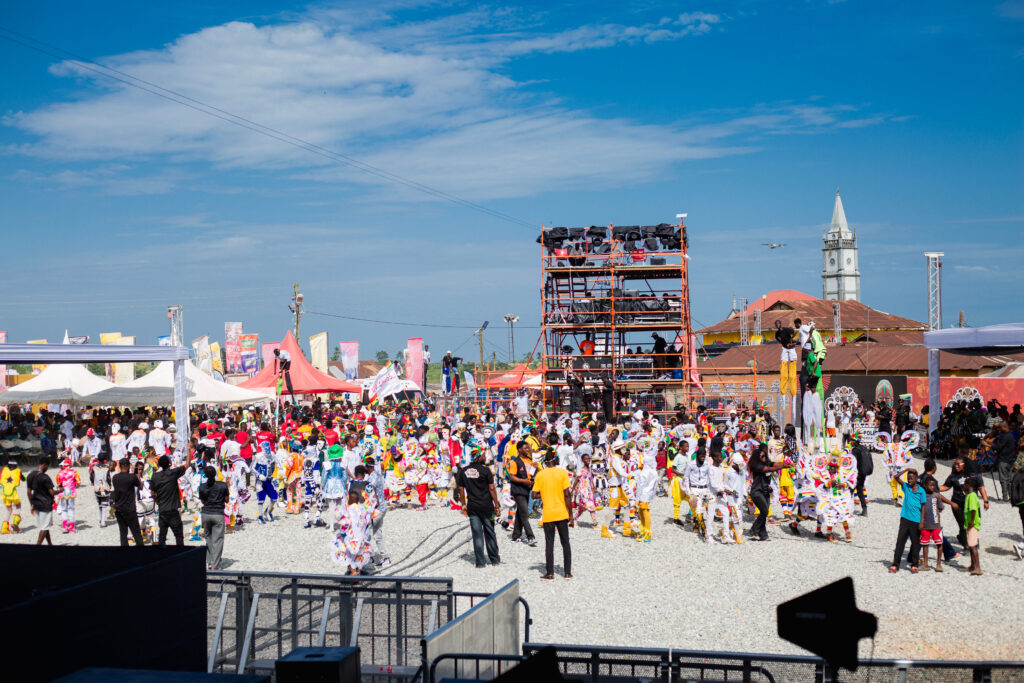
Yet, while Kwahu remains iconic, Ghana’s Easter celebration is undergoing a noticeable shift. Increasingly, the festive spotlight is expanding beyond the hills of Kwahu to multiple communities across the country, reflecting a broader transformation from centralised conventions to decentralised, carnival-like experiences.
Across regions, new Easter-themed festivals and carnivals are emerging, redefining how the season is celebrated.
In the Central Region, the Gomoa Easter Carnival has gained attention as a lively alternative, bringing together youth, music, and street culture in a beachside setting.
Similarly, in Kumasi, events such as the Soloku Festival and the Ashanti Easter Festival (AshantiFest) are positioning the Ashanti capital as another hub for Easter festivities, combining nightlife, concerts, and cultural displays. These events mirror the energy of Kwahu but are tailored to local identities, offering diverse experiences that appeal to different demographics.

Easter is a nationwide tourism and entertainment season
This evolution reflects a broader trend in Ghana’s domestic tourism and entertainment landscape. For years, Easter was largely defined by the Kwahu pilgrimage, but today, it is becoming a nationwide celebration with multiple destinations competing for attention.
As one tourism observer noted, “Easter in Ghana is no longer a single destination event, it is a season of experiences across the country”.
This diversification is not only redistributing tourist traffic but also stimulating local economies in emerging host communities.
From religious observance to hybrid celebration
The nature of activities during Easter is also changing. While church conventions and spiritual retreats remain integral, they now coexist with carnivals, beach parties, concerts, and adventure tourism.
The rise of social media has further amplified this shift, with young people increasingly seeking visually engaging and socially vibrant experiences. Easter, in this context, is evolving into a hybrid celebration, part religious observance, part cultural festival, and part entertainment season.
Political influence in emerging Easter festivals
However, the sustainability of these emerging festivals raises important questions. Many of the newer events appear to be driven largely by political actors who view the Easter period as an opportunity to enhance their visibility and strengthen their presence within their constituencies.
For instance, the Gomoa Easter Carnival has been championed by the Gomoa Member of Parliament, while the Soloku Festival in Kumasi has been associated with the Manhyia South MP. Similarly, AshantiFest is being spearheaded by the Ashanti Regional Minister.
While such involvement often brings much-needed funding, structure, and publicity, it also introduces concerns about long-term sustainability. Festivals that are closely tied to individual political figures or administrations may face uncertainty, particularly with changes in government or shifting political priorities.
Sustainability concerns and long-term viability
Moreover, the rapid growth of multiple festivals presents logistical and environmental challenges. Kwahu itself has grappled with issues such as traffic congestion and waste management due to the influx of visitors, challenges that newer destinations may also face if growth is not carefully managed.
Without long-term planning, infrastructure development, and community ownership, some of these emerging carnivals risk becoming short-lived trends rather than sustainable cultural fixtures.
Opportunities in the decentralisation of Easter celebrations
Nevertheless, the decentralisation of Easter celebrations offers significant opportunities. It promotes regional tourism, reduces pressure on a single destination, and allows communities to showcase their unique cultures.
In essence, while Kwahu remains the symbolic heart of Easter in Ghana, the celebration is no longer confined to its slopes.
From the beaches of Gomoa to the bustling streets of Kumasi, Easter is being reimagined as a nationwide carnival of culture, commerce, and community, signalling a shift that may well define the future of Ghana’s festive calendar.