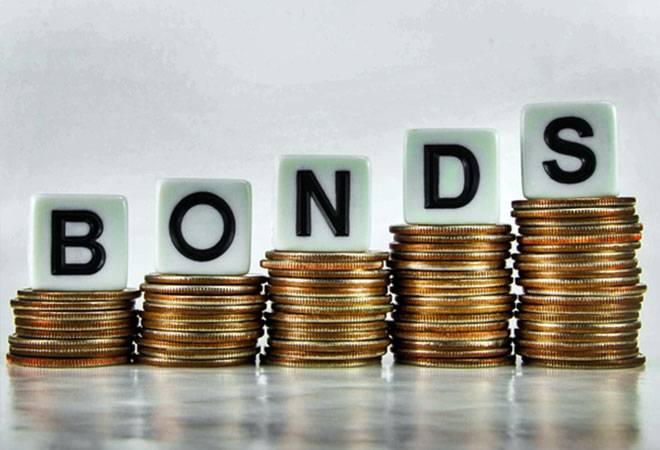
Ghana is back in the bond market.
The challenge is to ensure it does not return to old habits. After years of living on short-term Treasury bills, Ghana has taken a bold step back into the domestic bond market, raising GH¢2.7 billion at a 12.5percent coupon.
This marks an important step in the country’s post-Domestic Debt Exchange Programme (DDEP) recovery.
It is a welcome move but not a cheap one.
With 364-day Treasury bill rates hovering at 9.77percent, the market is either pricing in Ghana’s medium-term risk or quietly reminding policymakers that credibility, once lost, is expensive to rebuild.
With rising oil prices driven by tensions around the Strait of Hormuz, the real test of fiscal discipline may just be beginning.
For much of the past few years, government has leaned heavily on short-term Treasury bills to finance its operations.
While understandable under the circumstances, that strategy carries inherent risks. Short-term borrowing is convenient, but it creates a cycle of constant refinancing pressure.
It is, in effect, living on an overdraft, it may be manageable for a while, but ultimately unsustainable.
This latest bond issuance suggests a deliberate attempt to break that cycle.
By extending the maturity profile of its domestic debt, government is buying time to stabilize the macroeconomy, rebuild investor trust, and reduce rollover risk. In principle, this is sound debt management.
Indeed, as far back as early 2025, I argued that the time would come for Ghana to cautiously re-enter the domestic bond market.
That window appears to have opened, though only slightly and under conditions that reflect lingering investor caution.
The pricing of the bond tells its own story.
With 364-day Treasury bills at 9.77percent as per the Bank of Ghana auction of 30 March 2026, the 12.5percent coupon suggests that investors are either pricing in Ghana’s medium-term risk or demanding a premium for uncertainty.
Either way, this is not yet the language of full confidence. It is the language of cautious engagement.
It is also important to recognise that one successful issuance does not establish a trend.
The real test lies ahead. Can government return to the bond market consistently, across different market conditions, without facing weak demand or significantly higher borrowing costs? That is the true measure of whether confidence has genuinely been restored.
Concerns about crowding out of the private sector, while valid, remain a risk rather than a present reality.
However, policymakers must remain alert. A sustained shift of domestic liquidity into government securities could constrain credit to businesses and slow economic recovery.
Beyond domestic considerations, the global environment presents an additional layer of complexity.
The ongoing tensions involving Iran, the United States and Israel, and, the associated risks to the Strait of Hormuz have heightened the possibility of rising global oil prices.
The transmission mechanism is clear and unforgiving.
Higher oil prices feed directly into domestic fuel costs, which in turn drive inflation. Rising inflation places pressure on interest rates, increasing the cost of borrowing for government.
This ultimately worsens debt servicing and puts strain on the fiscal position.
It is in such moments that fiscal discipline is most severely tested.
There will be understandable pressure on government to cushion households and businesses from rising fuel costs.
However, broad-based subsidies or poorly targeted tax reductions risk undoing the gains made in recent fiscal consolidation efforts.
The more prudent approach would be targeted relief measures that protect the most vulnerable while preserving overall fiscal discipline.
At its core, Ghana’s fiscal challenge is not only about expenditure control but also about revenue mobilisation. Weak revenue performance continues to constrain fiscal space and increase reliance on borrowing.
Without meaningful improvements in revenue collection, gains made on the expenditure side will remain fragile.
The significance of this bond issuance, therefore, lies less in the amount raised and more in the signal it sends. Ghana is attempting to rebuild trust with investors after a difficult period.
Trust, once broken, is rebuilt slowly and can be lost quickly.
The opportunity now is to lengthen the debt profile, reduce refinancing risks, and gradually restore confidence in government securities.
The risk is that external shocks, particularly rising oil prices, could trigger a loss of discipline and a return to bad old days of poor fiscal discipline.