
The Institute for Energy Security (IES) has urged government to retain the Bulk Oil Storage and Transportation (BOST) margin – warning that its removal will compromise fuel supply security and stall infrastructure development, particularly in the middle and northern belts.
The position, issued in a statement on April 12 2026, comes in direct response to a Cabinet directive of April 9 instructing the Ministers of Finance and Energy to implement a reduction in fuel prices within the current pricing window.
Cabinet agreed to remove or reduce several taxes and margins on petroleum products, including abolition of the Special Petroleum Tax and a temporary restructuring of multiple energy-related charges into a single Energy Sector Shortfall and Debt Repayment Levy at a lower combined rate. Government has described the measure as time-bound and subject to review based on developments in global oil markets.
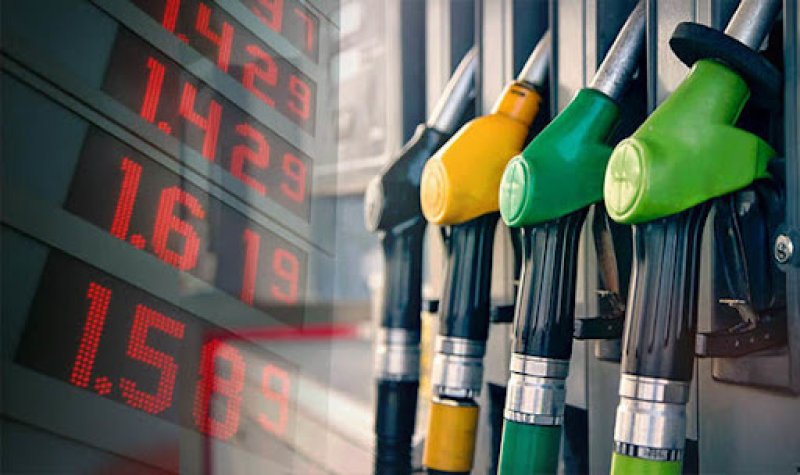
Petrol prices climbed roughly 15 percent to GH¢13.30 per litre, while diesel surged approximately 19 percent to GH¢17.10 per litre for the April 1 to 15 pricing window, according to the National Petroleum Authority. The increases were driven by crude oil price surges linked to disruptions in the Strait of Hormuz.
IES describes the margin as “a strategic financing mechanism that supports the development, maintenance and expansion of petroleum storage and distribution infrastructure across the country”, and argues that its removal under current market conditions risks weakening BOST’s operational capacity and compromising nationwide fuel supply reliability.
Calls for removal of the BOST margin have come from multiple quarters. Executive Director-Africa Centre for Energy Policy (ACEP) Benjamin Boakye called for the margin’s suspension on April 1, arguing that BOST operates within a commercial framework and questioning the rationale for imposing additional levies on consumers amid economic hardship.
The Centre for Environmental Management and Sustainable Energy has separately documented that the margin quadrupled from 3 pesewas per litre in 2020 to 12 pesewas as of August 2025 – generating over GH¢424million annually for the state-owned company – while questioning expenditure patterns and continued justification for the levy in a deregulated market where private operators control approximately 80 percent of storage and transport capacity.
IES counters that removal at this time will have adverse implications.
“Removing the BOST margin at this critical time will therefore stall ongoing and planned infrastructure projects, reduce investment capacity in storage and logistics as well as increase supply risks, particularly in underserved regions,” IES noted.
The institute points specifically to the middle and northern belts, where infrastructure expansion has not kept pace with rising fuel consumption driven by economic growth, urbanisation and increased transport demand over the past two decades.
On the broader question of consumer relief, IES acknowledges the case for short-term intervention but maintains that dismantling key structural financing tools such as the BOST margin will create long-term systemic risks which far outweigh immediate benefits.
Rather than removing the margin, the institute recommends temporarily suspending the Price Stabilisation and Recovery Levy – allowing cross-pricing flexibility between petrol and diesel and marginally reducing the levy in light of improved fuel sourcing from Tema Oil Refinery.
The Chamber of Oil Marketing Companies has noted that the depth of any fuel price reduction will depend entirely on which taxes and margins government ultimately decides to suspend, with the energy sector levy widely cited as the most likely candidate. Government has not yet published a definitive list of specific charges to be affected in the next pricing window.
The domestic energy sector debt liabilities were estimated to exceed US$3billion as of June 2025 according to the Finance Minister, with parliament having passed the Energy Sector Levy Amendment Act in June 2025 introducing a GH¢1 per litre increase in the levy on petroleum products.
Concerns exist that any reconfiguration of the levy structure carries implications for the country’s fiscal consolidation commitments under its IMF-supported programme.